
This Room Looks Effortless. It Isn’t.
A closer look at what truly defines a beautifully resolved open-concept space.
Open-concept living isn’t about designing a single room—it’s about orchestrating multiple spaces to function as one.
At first glance, this interior feels calm, cohesive, quietly resolved. The living room, kitchen, and dining area flow seamlessly—each distinct, yet intrinsically connected. What appears effortless is, in reality, the result of hundreds of highly considered decisions working in unison.
The Foundation
Every detail begins underfoot.
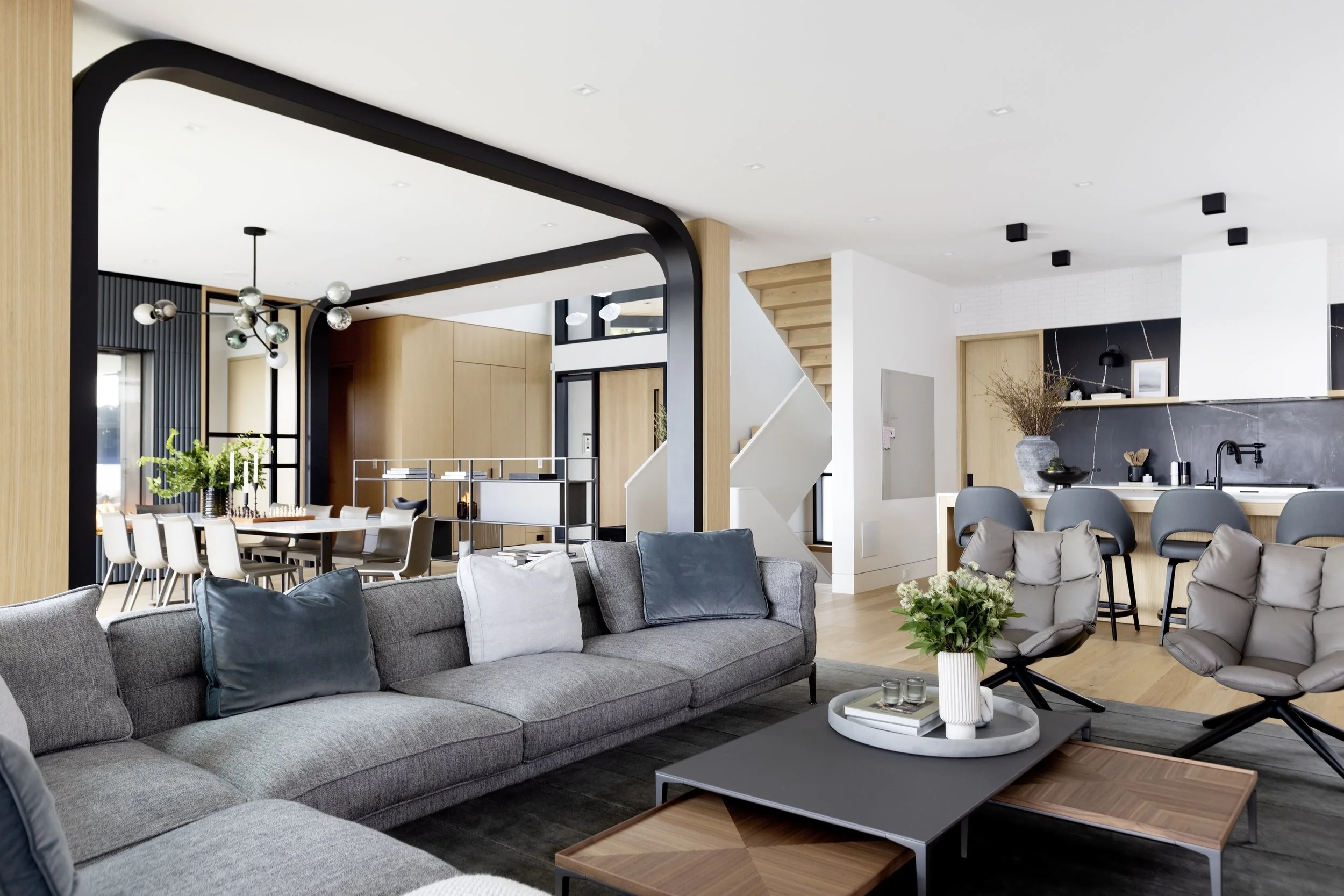
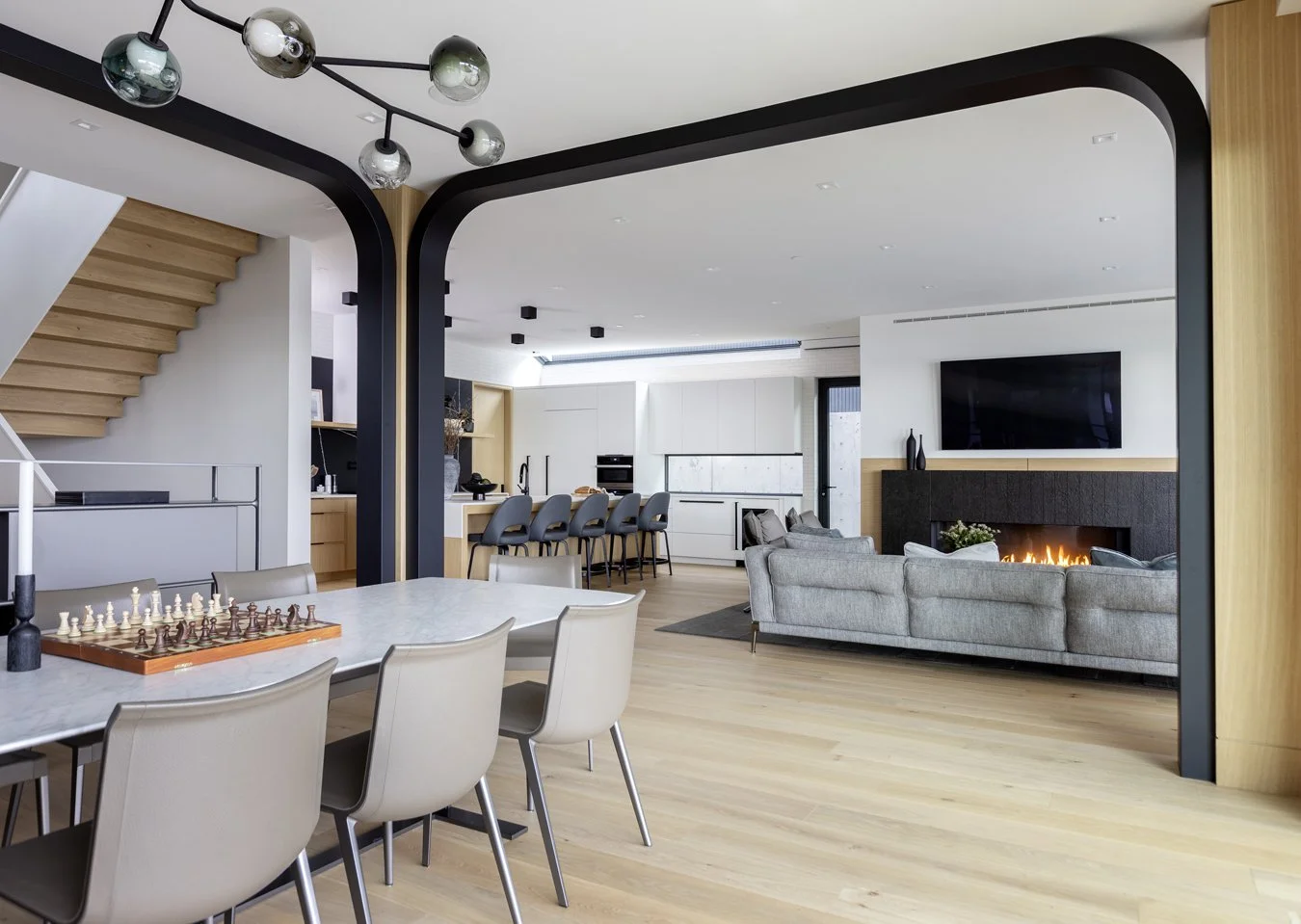
The continuous hardwood flooring establishes the visual and spatial language for the entire main level. One material, carried throughout, sets the tone—and influences everything that follows.
Carefully selected species, grade, tone, and plank dimensions to complement the scale of the home
A finish that balances durability for daily living with environmentally conscious performance
Directional installation that subtly guides movement through the space
The Millwork
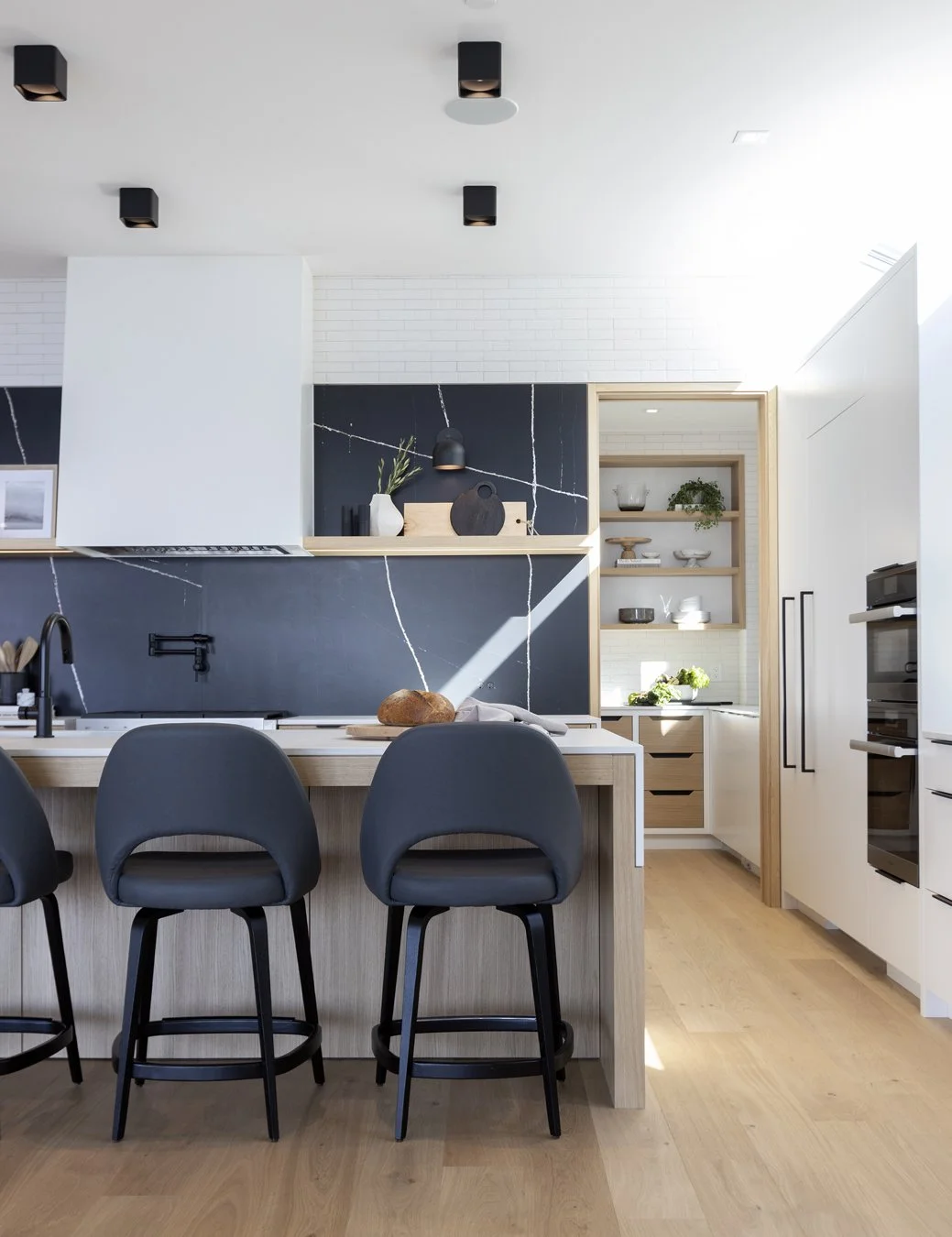
The kitchen and architectural elements are intentionally restrained—designed to integrate, not dominate.
Nothing competes. Everything supports.
Custom cabinetry that reads as refined furniture rather than a conventional kitchen
A controlled palette that allows moments of contrast—like the darker backsplash and fireplace—to feel purposeful
A thoughtful balance of open display and concealed storage
Precise alignment of millwork with the surrounding architectural framework
Hardware selections—or the deliberate absence of them—considered down to installation detail
Fully integrated appliances, carefully positioned for both function and discretion
Architectural gestures, such as soft arches, used to define space without interrupting flow
The result is a kitchen that recedes gracefully when not in use—yet performs beautifully when it is.
The Living Layer
A home that reflects a life well lived.
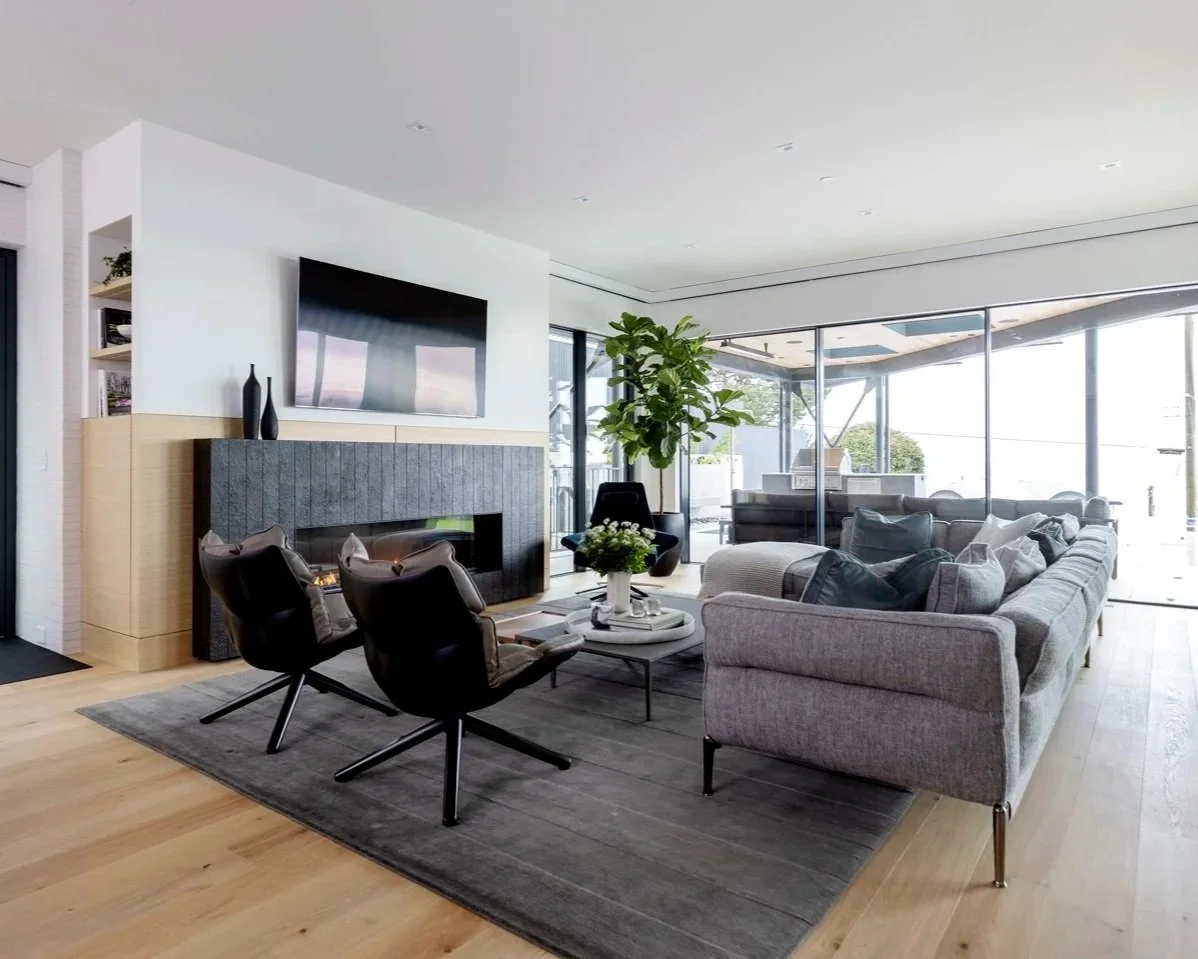
The living area introduces softness, texture, and human comfort—without compromising the overall composition.
Seating scaled to define the space while preserving openness and sightlines
Upholstery tones that bridge the warmth of the flooring with the depth of darker accents
Layered tables that provide function without visual heaviness
A rug that grounds the space while allowing the architecture and furnishings to breathe
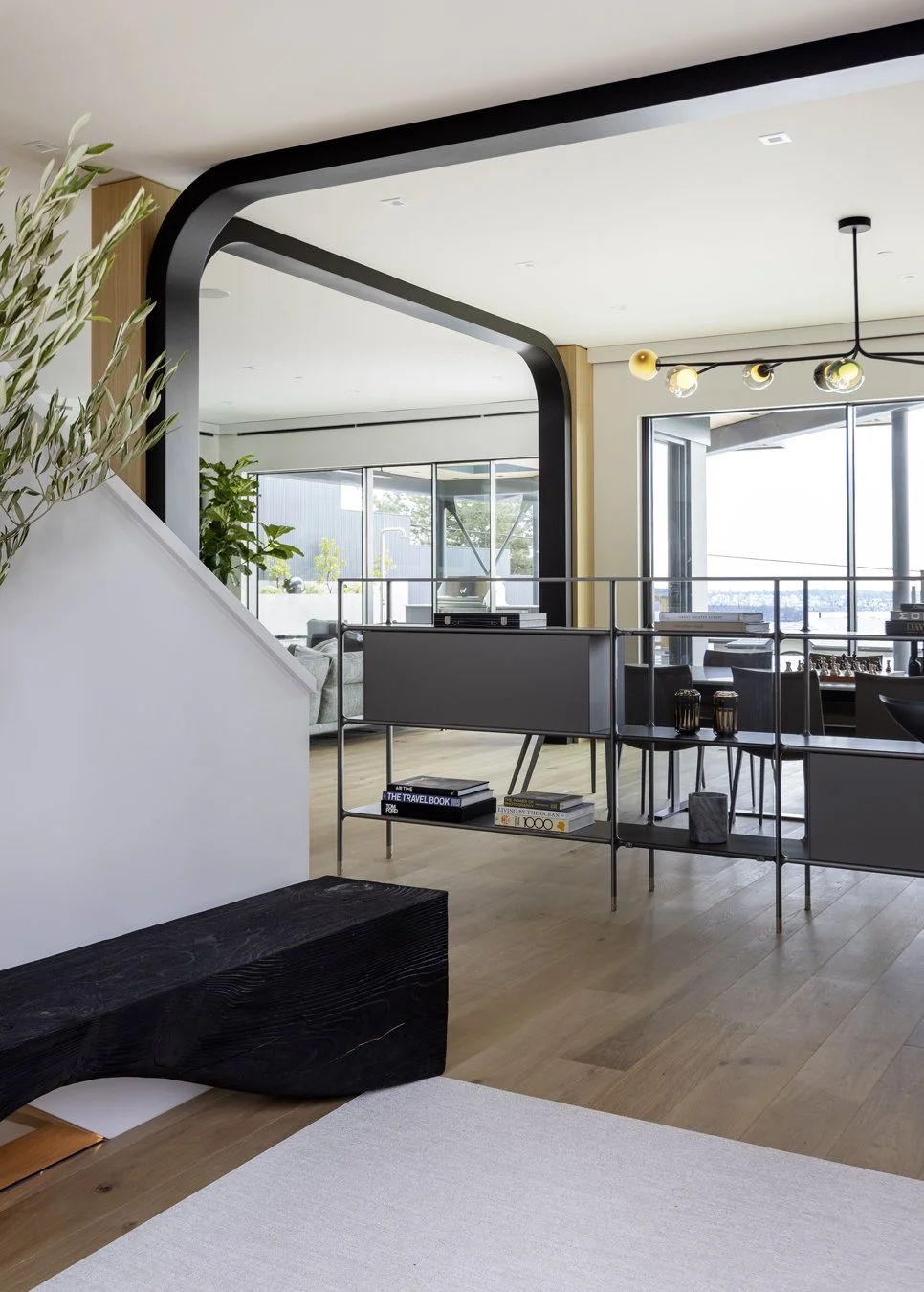
The Connections
This is where the true complexity lies—and where thoughtful design becomes unmistakable.
Every vantage point matters.
From the sofa, the kitchen is in view.
From the island, the dining area comes into focus.
From the entry, the entire composition is revealed at once.
Lighting is designed to perform beautifully from every angle, at all times of day and across seasons
Materials transition seamlessly, without abrupt shifts
Contrast is intentional—never incidental
Each zone maintains its own identity while contributing to a cohesive whole
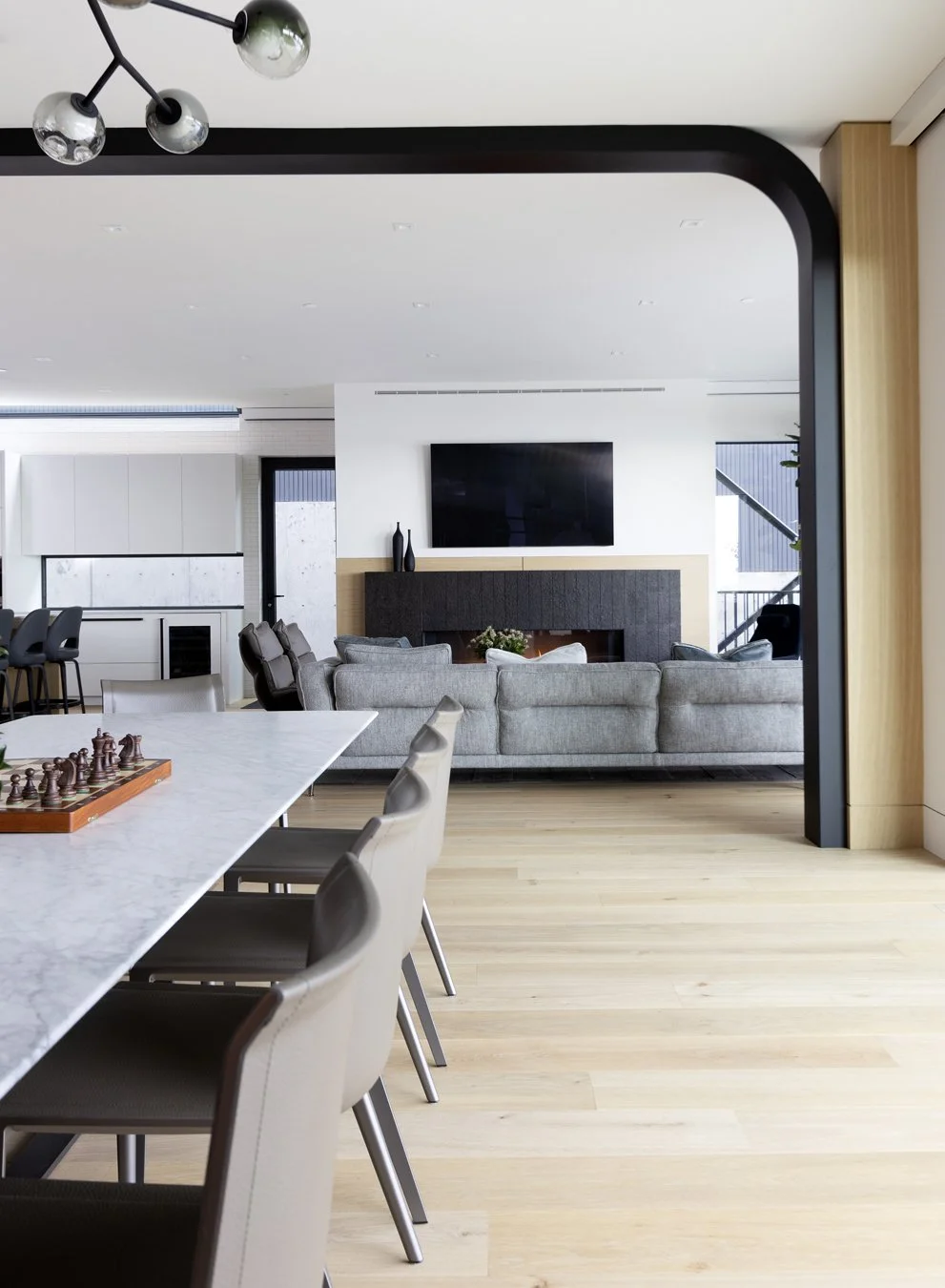
What Our Clients Do Not See
Long before construction begins, we’ve already envisioned how the space will live.
From morning light to evening ambiance.
From quiet, everyday moments to full-scale entertaining.
We consider how far to push contrast, where softness is essential, and how every material will perform over time—both aesthetically and functionally. In an open-concept home, nothing is hidden. Every decision is on display.
The Result
A home that feels calm, complete, and effortless.
Not because it was simple—but because it was deeply considered.
The most successful spaces don’t just look beautiful from one perspective—they resolve beautifully from every angle.